The History of Higienópolis: From Coffee Barons' Mansions to an Iconic São Paulo Neighborhood
The History of Higienópolis: From Coffee Barons' Mansions to an Iconic São Paulo Neighborhood
In short: Higienópolis is a neighborhood in central São Paulo, in the Consolação district, laid out in the 1890s by businessmen Victor Nothmann and Martinho Burchard. The name means “city of hygiene” and reflected the promise of a high, airy place far from the floodplains associated with epidemics. First home to the mansions of the coffee elite, the neighborhood grew vertically from the 1940s on, became a showcase of São Paulo's modernist architecture, and got its subway (metrô) station in 2018.
The history of Higienópolis tracks the great transformations of São Paulo over the last 130 years. From a neighborhood planned for the coffee elite to the sought-after address it is today, each phase left marks that can still be seen on the area's tree-lined streets.
In this article, you'll learn how the neighborhood came to be, where its name comes from, how modern architecture changed its landscape, and why this story inspires everyday life at NOON Higienópolis.
How did the Higienópolis neighborhood begin?
Higienópolis began in the 1890s, when businessmen Victor Nothmann and Martinho Burchard subdivided land on a hilltop west of downtown São Paulo. The plan called for wide streets, generous lots, and the promise of modern infrastructure by the standards of the day.
The target audience was clear: families who had grown wealthy from coffee and industry and wanted to leave the lower, more crowded parts of the city.
Why is the neighborhood called Higienópolis?
The name Higienópolis joins the Greek words hygieia, linked to health, and polis, meaning city. Loosely translated, “city of hygiene.”
The choice was no accident. In the late 19th century, São Paulo faced outbreaks of diseases such as yellow fever and smallpox, and the hygienist ideas of the time favored high, well-ventilated land away from river floodplains. Higienópolis was sold precisely as the answer to that concern.
The era of the mansions: the history of Higienópolis at the height of coffee
In the early decades of the 20th century, the neighborhood became the address of coffee barons, industrialists, and professionals. Many mansions were demolished over time, but a few survive as witnesses to that era.
The best-known example is Vila Penteado, built in 1902 for the family of Antônio Álvares Penteado. The Art Nouveau mansion, on Rua Maranhão, now houses activities of the University of São Paulo's School of Architecture and Urbanism.
Education also shaped the area's identity. Mackenzie settled on the edge of the neighborhood as early as the late 19th century, and in 1947 FAAP, the Armando Alvares Penteado Foundation, was created and occupies a campus in Higienópolis.
Vertical growth: the modernist buildings of Higienópolis
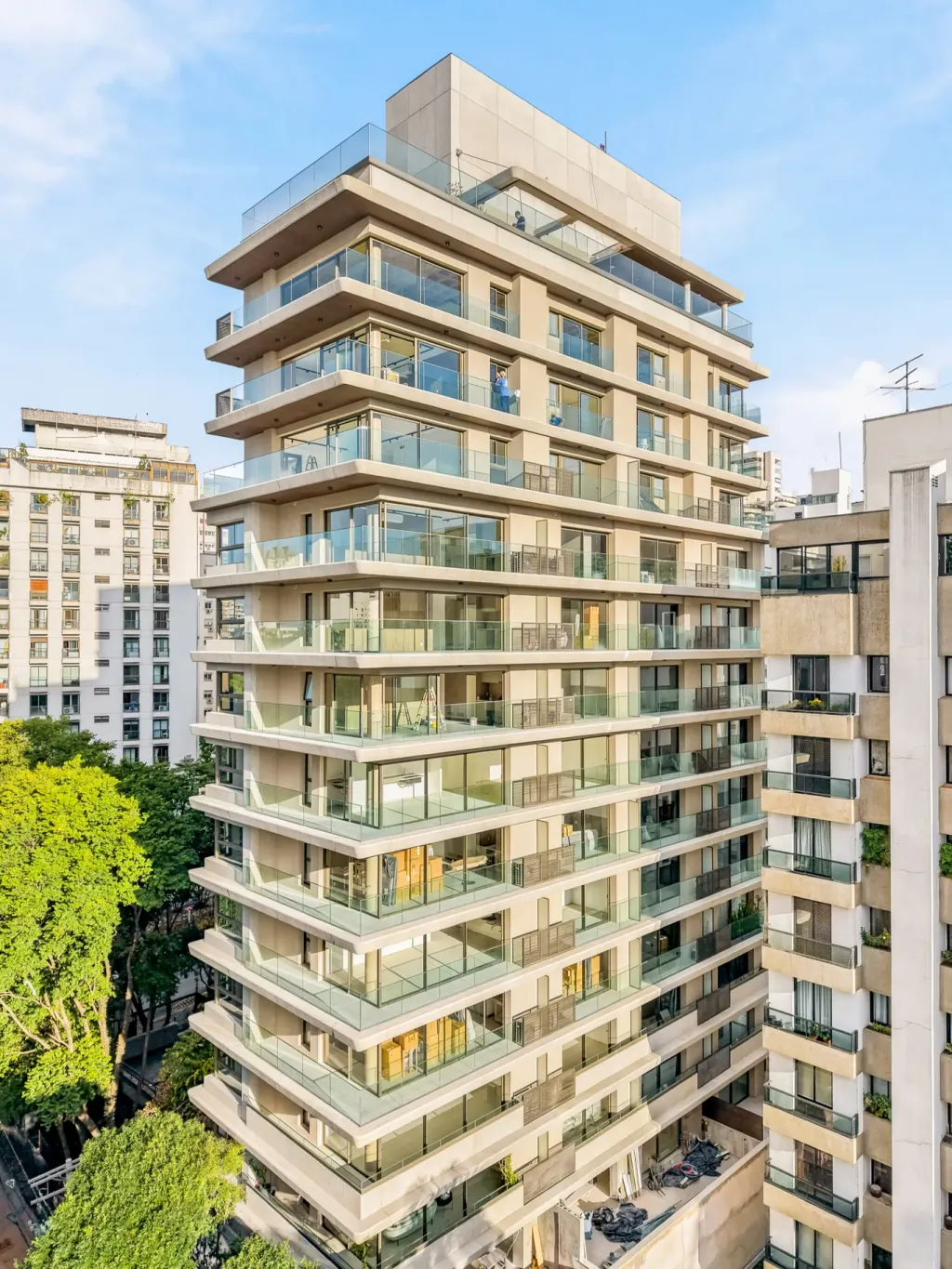
Starting in the 1940s, many mansions gave way to high-end residential buildings. This is a decisive chapter in the history of Higienópolis: rather than erasing the neighborhood's character, vertical growth turned it into one of the main showcases of modern architecture in São Paulo.
Among the best-known modernist buildings in Higienópolis are Edifício Louveira, by Vilanova Artigas and Carlos Cascaldi, Edifício Prudência, by Rino Levi, and the projects of João Artacho Jurado, such as the Bretagne. Open ground floors, integrated gardens, and generous common areas show that the neighborhood was already thinking about collective quality of life.
At the same time, Higienópolis became one of the main centers of São Paulo's Jewish community, with synagogues, schools, and shops that remain part of neighborhood life today.
Timeline of the history of Higienópolis
PeriodMilestone 1890sThe neighborhood is subdivided by Victor Nothmann and Martinho Burchard 1902Construction of Vila Penteado 1940s and 1950sVertical growth with modernist buildings, such as Louveira and Bretagne 1947FAAP is founded Second half of the 20th centuryThe neighborhood becomes the heart of São Paulo's Jewish community 1999Pátio Higienópolis mall opens 2018Higienópolis-Mackenzie station opens on subway Line 4-YellowWhat is it like to live in Higienópolis today?
Living in Higienópolis today means living in a neighborhood that has preserved much of its essence. The streets are still tree-lined, Parque Buenos Aires remains a meeting point, and the modernist buildings sit alongside cafés, bookstores, and restaurants.
Higienópolis-Mackenzie station brought the neighborhood closer to the rest of the city. Together with its proximity to downtown, Avenida Paulista, and Pacaembu, it reinforces the prime location that motivated the neighborhood's creation. Much of the history of Higienópolis is still visible to anyone walking its streets, and this is the setting for NOON Higienópolis, at [Rua Alagoas, 651 – Higienópolis].
What the history of Higienópolis teaches about living well in São Paulo
The neighborhood's story shows that some priorities last across generations: a strategic location, greenery nearby, good architecture, and spaces designed for well-being.
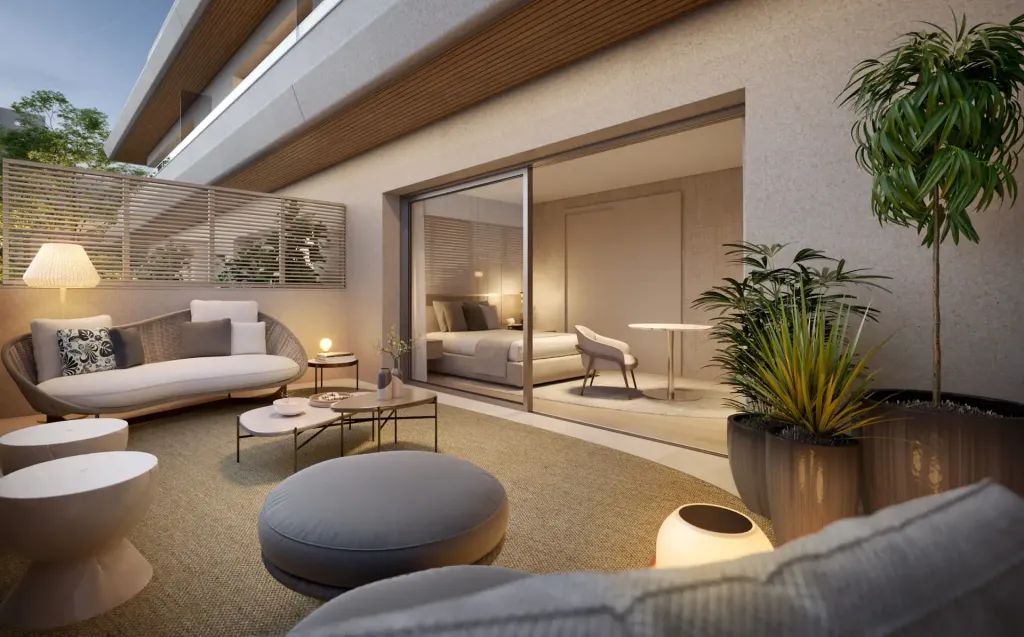
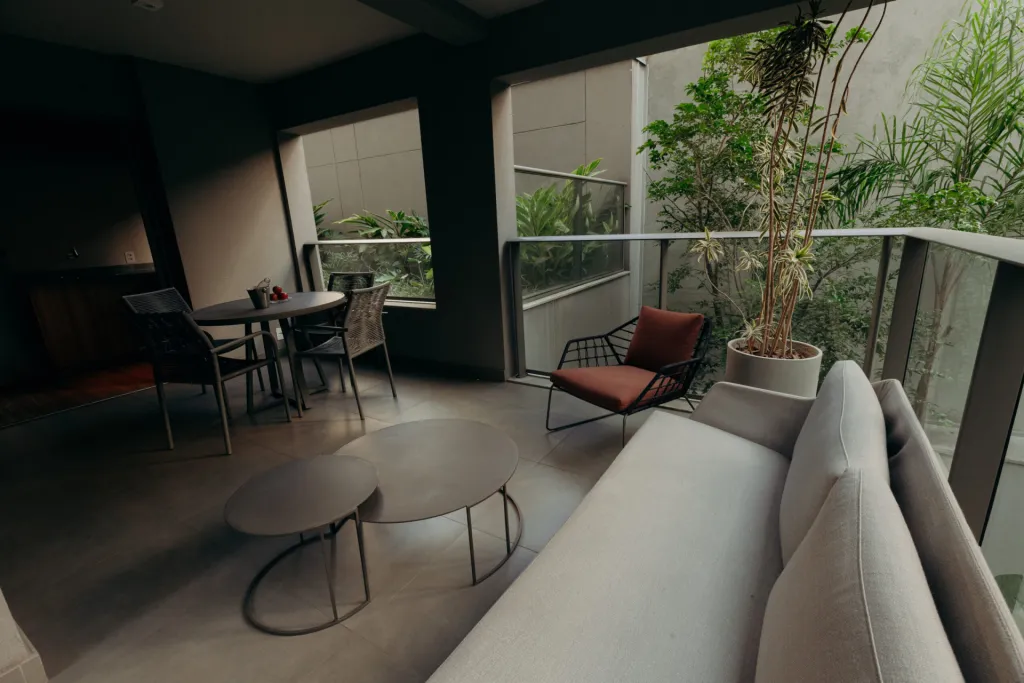
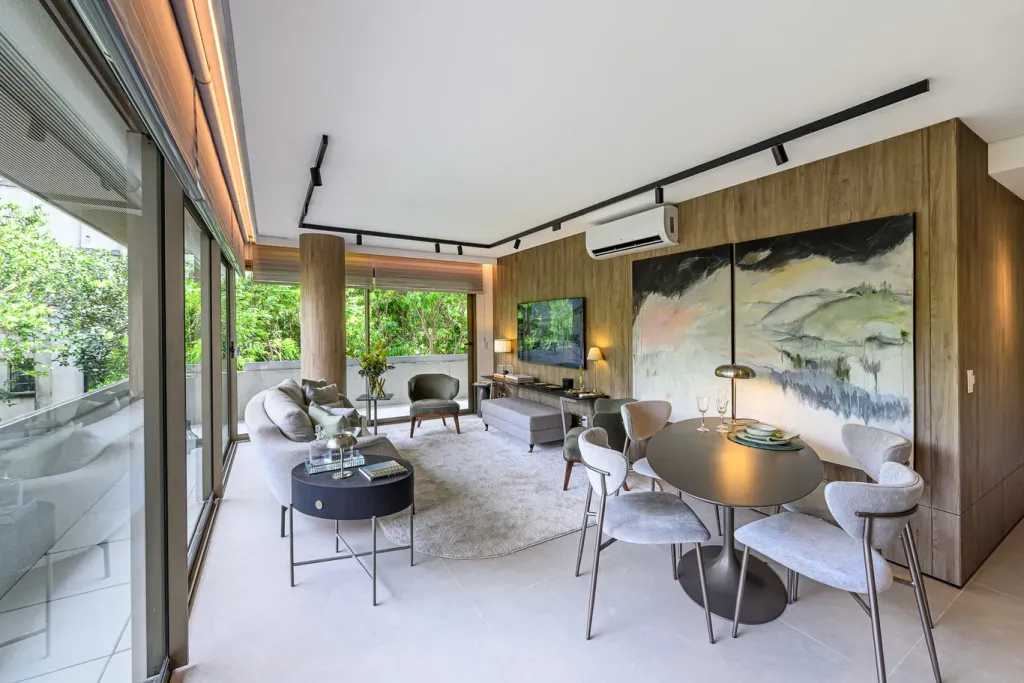
These are the same values behind NOON's small luxury concept. At NOON Higienópolis, they find an address worthy of that history: a compact, high-end apartment in one of São Paulo's most traditional neighborhoods, close to the subway, tree-lined squares, and the area's cultural life.
It's the same promise that gave rise to the neighborhood more than a century ago, translated into the way people live today: smart design, careful finishes, and everything that matters within walking distance.
Want to experience small luxury living in Higienópolis? Schedule your visit to NOON Higienópolis at (11) 94046-6815.